
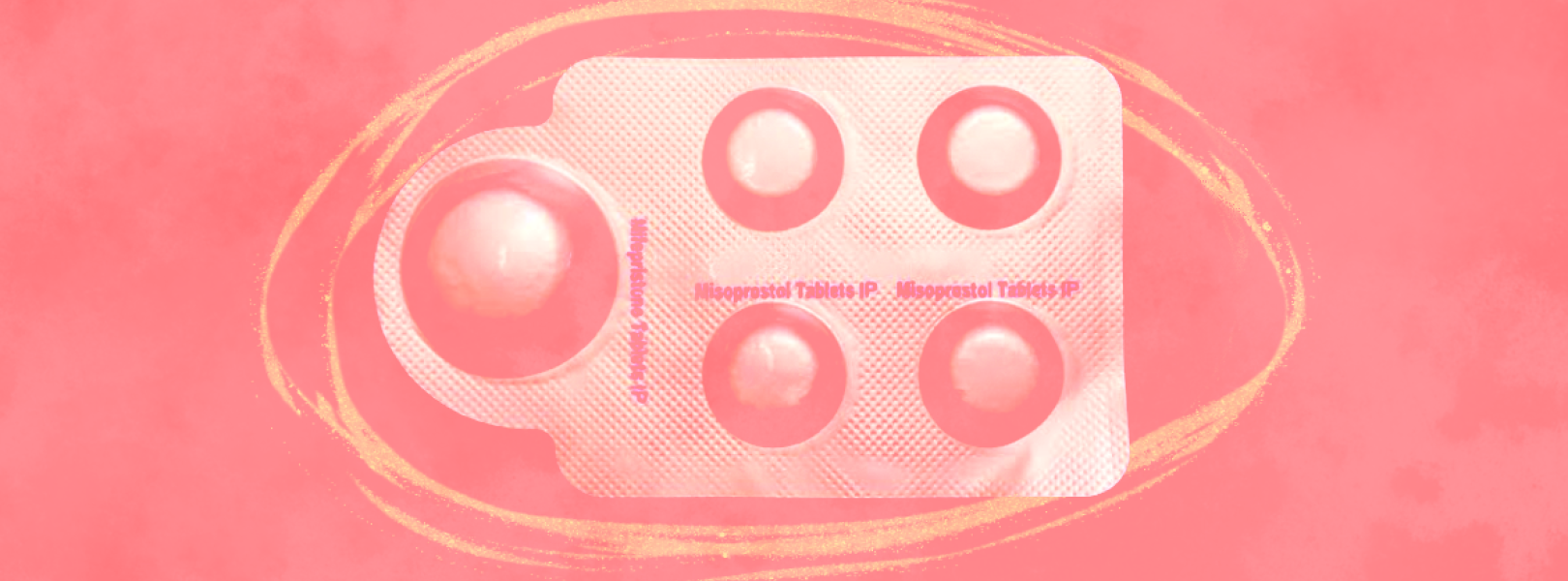
In recent weeks, the conservative online magazine The Federalist has published two articles encouraging the Trump administration to restrict access to the abortion pill, citing the concerns of both the Make America Healthy Again and anti-abortion movements. Published by fellows from the Ethics and Public Policy Center and The Heritage Foundation, the articles argue that the administration should restrict access to the abortion pill on the grounds that it keeps a promise to the MAHA faction of President Donald Trump’s base.
- On March 10, two EPPC fellows wrote that Trump couldn't “Make America Healthy Again” without restricting the abortion pill. According to the authors, “The Trump administration is all about promises made, promises kept. And the president made three relevant promises here. First, he promised to ‘Make America Healthy Again.’ But you can’t make America healthy with a pill that causes 1 in 9 women who take it to experience a serious adverse event.” [The Federalist, 3/10/26]
- About a week later, two Heritage Foundation fellows wrote a piece titled “Trump Admin Can’t ‘Make America Healthy Again’ Without Abortion Pill Restrictions.” The article read, “If MAHA is serious about protecting Americans from dangerous chemicals, it can’t keep ignoring what the abortion pill does to women.” [The Federalist, 3/16/26]
In reality, the Food and Drug Administration has found that medication abortion is a “safe and highly effective method of pregnancy termination. When taken, medication abortion successfully terminates the pregnancy 99.6% of the time, with a 0.4% risk of major complications, and an associated mortality rate of less than 0.001 percent (0.00064%).”
The two articles, however, reflect the anti-abortion stance of their respective organizations: EPPC's Life and Family Initiative produces literature advocating against abortion pill access, and The Heritage Foundation has promised to “mobilize and advance policies at the state and federal levels to ... reduce both the demand for and availability of abortion at all stages of human development.”
Both organizations have also promoted restrictions on in vitro fertilization, at times citing the MAHA movement as the champion of alternative treatments to infertility. Patrick T. Brown, an EPPC fellow working in the organization’s Life and Family Initiative, wrote last year that Trump's executive order aimed at improving access to IVF betrayed MAHA because it didn't “treat the root causes of infertility.” A more recent report from The Heritage Foundation — which proposes to increase the population by incentivizing heterosexual marriage and family — cited MAHA advocacy for restorative reproductive medicine as an alternative to IVF.
In recent months, right-wing media and anti-abortion activists have kept up a drumbeat linking abortion pill restrictions to the Trump MAHA platform
The Federalist has been advocating common ground between the MAHA and anti-abortion movements since at least October 2025, when it published two articles that framed FDA action on the abortion pill within the context of MAHA objectives. Staff writer Jordan Boyd credited MAHA with putting a review of the abortion pill “back on the table,” and contributor Kristi Stone Hamrick wrote, “If we want to Make America Healthy Again, we must reevaluate deadly chemical abortion pills, not approve even more of them.”
Anti-abortion advocates have also emphasized debunked claims that the abortion pill contaminates wastewater. Last December, the anti-abortion group Students for Life of America launched a campaign to add mifepristone to the Environmental Protection Agency's list of drinking water contaminants. A press release announcing the campaign quoted the organization’s president, Kristan Hawkins, as saying, “All I want for Christmas is for millions of Americans to let the Trump Administration know that we want assurances that the Make America Healthy Again agenda includes clean water for all life.”
As Politico reported, “By aligning their new campaign with the ‘Make America Healthy Again’ agenda and its concerns about the impact of chemicals on human health, the group hopes their efforts will convince the Trump administration to restrict access to the drug or, at minimum, shape public opinion about its safety.” And the strategy seems to have produced results. Last week, House Republicans introduced the “Clean Water for All Life Act,” a bill that would restrict access to medication abortion under the pretense of limiting water contamination.
In February, MAHA influencer Alex Clark interviewed American Association of Pro-Life Obstetricians and Gynecologists CEO Christina Francis about the supposed “real physical risks of abortion pills,” including “the overlooked environmental impact of fetal tissue and blood entering our water systems.” During the interview, Francis praised the MAHA platform, saying that when she heard about its aims, she thought, “Great, now let's apply that to the abortion drug mifepristone.”
The MAHA and anti-abortion movements have something else in common, too: They have both reportedly grown disillusioned with the Trump administration's lack of action on key movement concerns.
The anti-abortion group Susan B. Anthony Pro-Life America recently attempted to harness that mutual frustration by boosting survey results it said showed that “RFK Jr.’s Abortion Drug Policy” was “Wildly Out of Step With MAHA, Trump Voters.” The president of the organization, Marjorie Dannenfelser, was quoted, “When Secretary Kennedy pledged to ‘Make America Healthy Again,’ most voters never imagined approving new forms of deadly drugs and letting them be sold online and mailed across state lines, without so much as an in-person doctor visit, to be part of that agenda.”
More recently, Dannenfelser called a move by the Department of Justice to dismiss a case challenging FDA approval of the abortion pill a “slap in the face to red state allies everywhere, the MAHA movement, and Republicans’ deeply loyal pro-life base.” She continued, “Just eight months from midterms, the peril for the GOP is serious and growing.”